
Biobanking News | Department Of Agriculture National Genebank Empowers Gumbu Community Seedbank
Community level seed-saving initiatives have been designed and implemented to conserve, restore, revitalize, strengthen and improve local seed systems, focused mainly on local varieties. But the best seed-saving initiatives are those that combine local knowledge with international expertise and resources, seed exchange networks and participatory plant breeding teams. That’s why the Department of Agriculture’s National Gene Bank has partnered with Bioversity International in a project aimed at establishing and supporting community seed banks in South Africa.
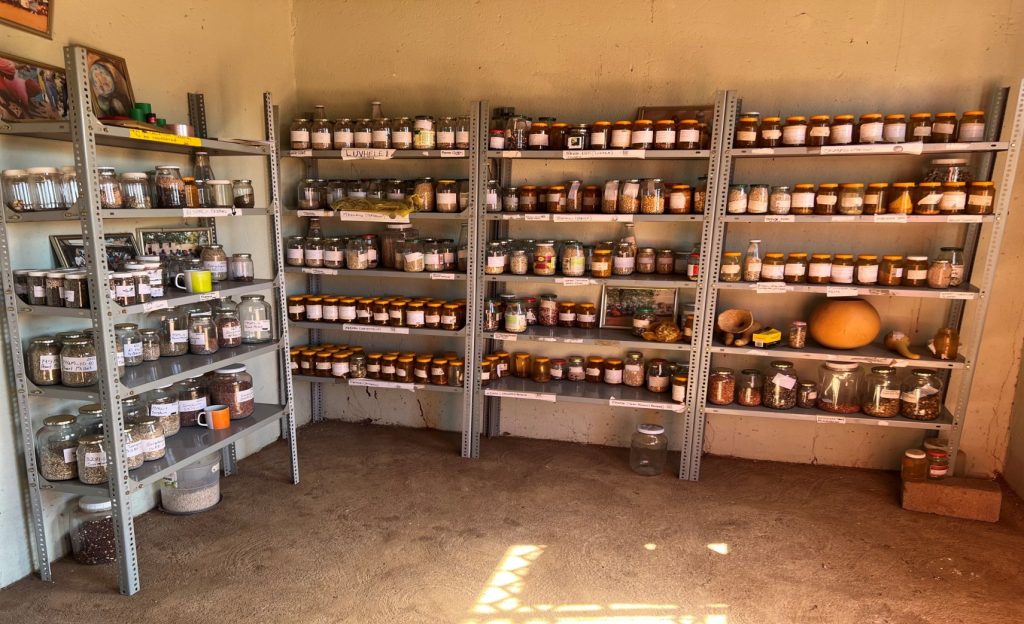
The Gumbu Community Seedbank provides a practical solution for improving access to, availability of, and the safeguarding of seeds of locally adapted varieties.
The project is funded through contributions made by the Republic of South Africa (acting through the department) to CGIAR Trust Fund. Through this project, the Gumbu Community Seed Bank (CSB) was established in 2013, with construction of a formal structure finalised and handed over to the Gumbu Community in March 2016.
The Gumbu project is one of three community seed banks in South Africa. The other two are located in Sterkspruit in Eastern Cape province and Jericho in North West province. These CSBs provide farmers with an opportunity to actively participate in research initiatives, thereby empowering them and strengthening their control over natural resources. These seed banks also promote the ownership, preservation and documentation of traditional knowledge and skills related to seed conservation and sustainable agricultural practices.
The Gumbu CSB is managed by mainly women. The major crops conserved at CSB are traditional varieties (landraces) of maize, finger millet, pearl millet, grain sorghum, sweet sorghum, cowpea, mung bean, groundnuts, bambara, calabash, melon, watermelon, pumpkin, tapary beans, moringa, amaranthus, wheat and okra. This germplasm material was deposited to the CSB by farmers from Gumbu village.
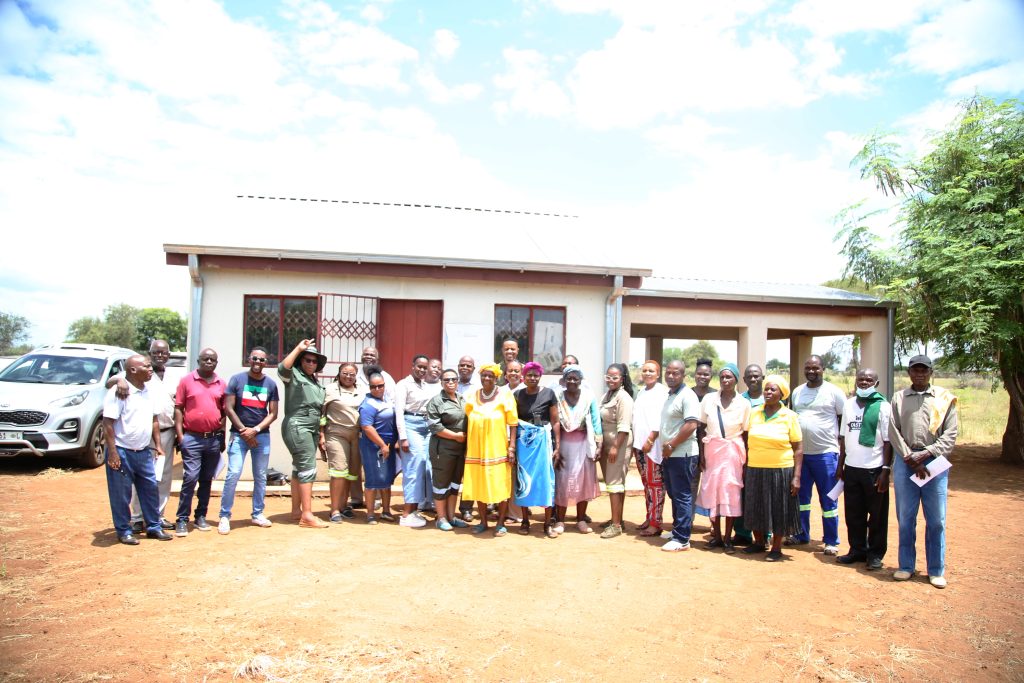
Managed mainly by women, the Gumbu community seedbank provides a platform for farmers to save and exchange seeds within their communities and surrounding villages through, amongst others, traditional seed fairs.
A community seed bank such as Gumbu provides a practical solution for improving access to, availability of, and the safeguarding of seeds of locally adapted varieties. It is a collective agreement among local farmers to conserve crop varieties that are important to them, document indigenous knowledge on how these crops are grown, prepared and used. The CSB also provides a platform for farmers to save and exchange seeds within their communities and surrounding villages through, amongst others, traditional seed fairs.
The DoA National Gene Bank in collaboration with the Limpopo Department of Agriculture and Rural Development (LDARD) provide technical support to the Gumbu CSB. As part of this support, DoA and LDARD visited the Gumbu CSB on 11 February 2026 to engage the farmers on challenges they are facing, and pledged to assist the community in addressing these challenges affecting its operations. The support is expected to strengthen traditional seed conservation efforts, improve food security, and enhance agricultural sustainability in the community.
Farmers shared that the CSB is currently experiencing significant challenges related to water supply and electrical cable theft. The project no longer has access to running water, which has severely disrupted its operations. Thus, the farmers approached DoA, LDARD and the Vhembe District Municipality to request intervention and support. DoA through the Directorate: Genetic Resources was able to secure funding to repair the borehole water pump and replace the stolen electricity cables. It is envisaged that this work will be completed during the 2026/27 financial year.
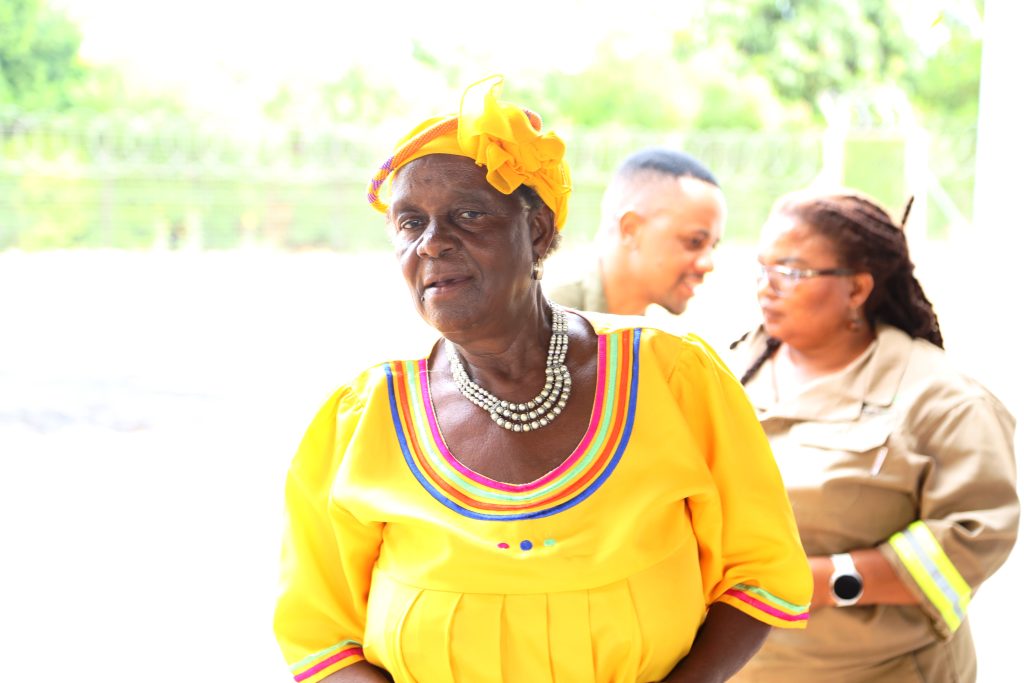
Ms Johanna Mudau, chairperson of the Gumbu seed, highlights water scarcity as their most pressing concern explaining that it has prevented them from planting.
Ms Johanna Mudau, chairperson of the Gumbu seed bank expressed appreciation to all spheres of government for visiting their project and engaging them on their challenges. She highlighted water scarcity as their most pressing concern explaining that it has prevented them from planting. “Many people rely on us for seed, but our biggest challenge is water. If this issue can be resolved, we will be able to operate effectively. I am appealing to Government for assistance with the installation of water pipes and drip irrigation systems to ensure smooth and sustainable operations,” she said.
Ms Mpolokeng Mokoena from Directorate: Genetic Resources said the Gumbu seed bank has positioned South Africa as a leader in the conservation and production of unique traditional seeds at community level. She emphasised the importance of the community seed bank, noting that both national and provincial governments are committed to supporting the project.
“I want to appreciate Gumbu farmers for their patience, acknowledging ongoing communication regarding the challenges they face. We have managed to secure funding, and plans are in place to address some of these challenges,” she said.
DoA, LDARD and the Vhembe District Municipality reaffirmed their commitment to continue supporting the Gumbu community seed bank.
This story and images come courtesy of Mr Samuel Kgatla and Dr Noluthando Netnou-Nkoana.
Mr. Samuel Kgatla is a Principal Communication Officer at the National Department of Agriculture with over 15 years of dedicated service in the public sector. A seasoned photographer and journalist, he has extensive experience in strategic communication, media relations, photography, and content development.
Dr Noluthando Netnou-Nkoana is the Director: Genetic Resources and currently Acting Chief Director: Plant Production and Health at the National Department of Agriculture. She is responsible for policy development and implementation of national programmes pertaining to the plant breeders’ rights system; and conservation and sustainable use of plant genetic resources for food and agriculture.
Want to know more about the Department of Agriculture’s National Plant Genetic Resources Centre? Here’s a quick overview of what the NPGRC gets up to. Need to know a bit more about the NPGRC biobank? We’ve got you covered. And why not check out this NPGRC biobank video while you’re at it?
Related Posts



What are biodiversity biobanks?
Biodiversity biobanks are repositories of biologically relevant resources, including reproductive tissues such as seeds, eggs and sperm, other tissues including blood, DNA extracts, microbial cultures (active and dormant), and environmental samples containing biological communities….
