Who Is The BBSA ?
BIODIVERSITY BIOBANKS SOUTH AFRICA
BIODIVERSITY BIOBANKS SOUTH AFRICA
The Biodiversity Biobanks South Africa is a network of institutions that preserve, maintain and utilise South Africa’s vast biodiversity biobanking resources – and provide critical research infrastructure for answering important questions about the world we live in. Okay, so that’s what the BBSA is…but who are we? Read on to find out…
A Research Infrastructure Project
As a research infrastructure project funded by the Department of Science & Innovation (DSI) and co-ordinated and hosted by the South African National Biodiversity Institute (SANBI), the Biodiversity Biobanks South Africa (BBSA) is a network of participating institutions that hold biodiversity biobanks, rather than a single facility. The BBSA thus provides a coordinating structure across several of South Africa’s existing biodiversity biobanks, with the main aim of increasing the range and quality of samples stored and/or distributed, and increasing and improving access for research and development through a single, centralised data portal, which will also allow more strategic collection of samples.
Okay, so who is the Biodiversity Biobanks South Africa?
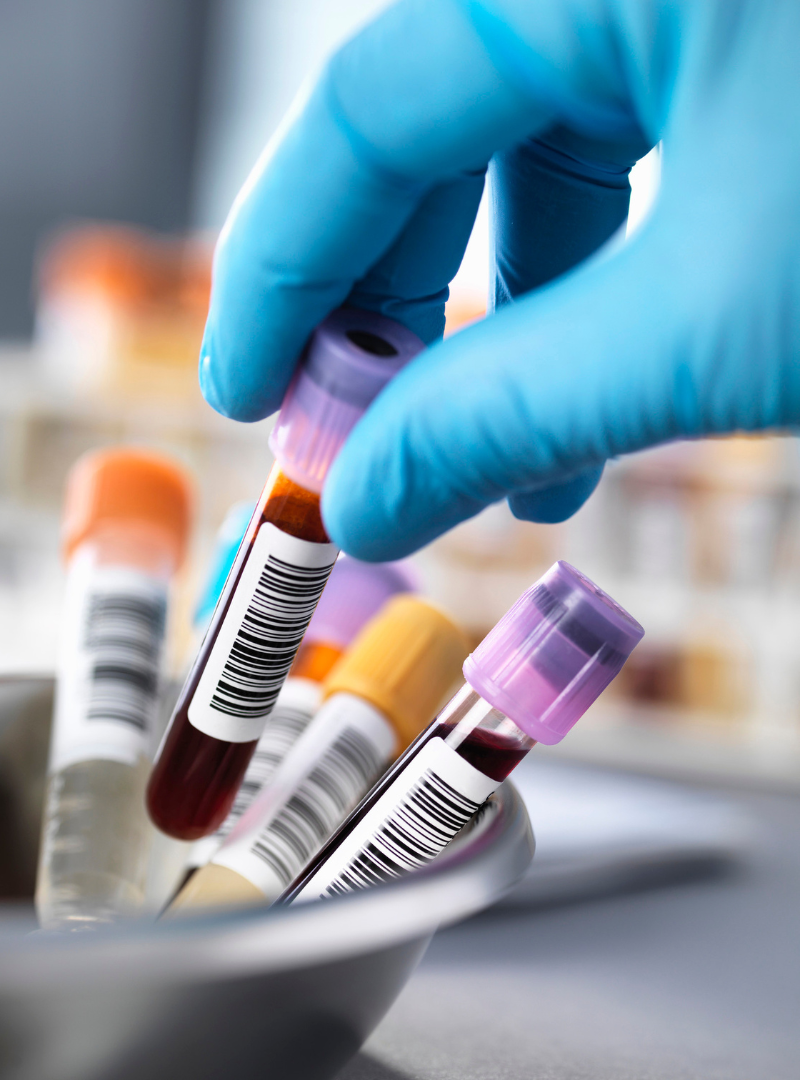
The Biodiversity Biobanks of South Africa is made up of biodiversity biobank researchers who can be found all over South Africa – on university campuses, in dedicated research facilities and even at national parks, handling samples from bacteria, plants, fungi and rhinos (and more). Meet some of them here.
BBSA biobanks store, study and share hundreds of thousands of samples of biological material from plants, animals, bacteria and fungi, from field to farm to ocean – and beyond.
Core biobanks support the concept of open access, that agree to implement the standards and procedures developed, that contribute to achieving the objectives of the BBSA, and that will be eligible for resource allocations through the BBSA.
Affiliated biobanks participate in some BBSA activities and initiatives, but that operate according to their own access policies and implement their own standards, and are not eligible for resourcing from the BBSA.

| Biobanking Institution | Sample Types | Primary Contact | Notes |
|---|---|---|---|
| SANBI Wild Plant Seedbank | Seeds from indigenous plants | Victoria Wilman V.Wilman@sanbi.org.za | South African partner of the Millennium Seed Bank Partnership (MSBP) |
| SANBI Wildlife Biobank | Mammals Birds Reptiles Amphibians Some marine vertebrates and invertebrates | Kim Labuschagne k.labuschagne@sanbi.org.za | Involved in several international projects with IUCN Biobanking Working Group and others |
| SANBI Indigenous Plant DNA Biobank | Plant DNA and tissue samples | Mudzuli Mavhunga m.mavhunga@sanbi.org.za | Biobank focuses mainly on indigenous plants – but it also aims to serve as a repository for DNA samples and extracts for microbes and animals |
| South African Institute for Aquatic Biodiversity (NRF_SAIAB) | Aquatic organisms tissue and DNA (over a million aquatic specimens, including amphibians, cephalopods, tunicates and diatoms, and several coelacanths) | Seshnee Reddy s.reddy@saiab.nrf.ac.za | Largest aquatic biobank (and collection) in South Africa |
| SANParks Veterinary Wildlife Biobank | Vertebrate tissue samples from wildlife | Angela Daly angela.bruns@sanparks.org Zinhle.Manda@sanparks.org / | Two main locations: VWS Kimberley VWS Skukuza |
| DALRRD Grootfontein Biobank for Sheep and Goats | Blood samples & tissue samples from sheep and goats | Gretha Snyman grethasn@dalrrd.gov.za | Also stores phenotypic data from animals in live-in herds |
| DALRRD National Plant Genetics Resource Centre | Plant seeds, tissue and DNA | Noluthando Netnou-Nkoana noluthandon@dalrrd.gov.za | Develop and implement policies, legislations, strategies norms, and standards on the management of genetic resources for food and agriculture. |
| University of the Western Cape Institute of Microbial Biotechnology and Metagenomics (IMBM) | Microbial biobank | Anita Burger alburger@uwc.ac.za | Core microbial biobank, with many national and international partnerships |
| University of Free State’s Department of Microbial, Biochemical and Food Biotechnology Yeast Culture Collection | Microbial Culture (Yeasts) | Carolyn Pohl-Albertyn PohlCH@ufs.ac.za | Africa’s largest yeast culture collection |
| University of Pretoria Forestry & Agriculture Biotechnology Unit Culture Collection | Fungi (mostly) | Nicole Van Vuuren nicole.vanvuuren@fabi.up.ac.za | The largest collection of fungal cultures and the biggest tree pathogenic fungi collection on the African continent, housing more than 60,000 fungal strains |
| Agricultural Research Council Biobanks | Biobanks under the custodianship of the Agriculturla Research Council (ARC) include plant, animal and microbial based assets. They Include living collections and biodiversity biobanks, as well as databases, natural science collections and accredited research facilities. With biobanks over 11 campuses in all nine provinces, the ARC provides critical infrastructure that underpins agricultural innovation and food security in South Africa. | Riana Jacobs Venter Adriana Jacobs (National Collection of Fungi) JacobsR@arc.agric.za Justin Hoff (Grapes, Wines, Grains) hoffjw@arc.agric.za ARC-Animal Production Health (APH) MullerF@arc.agric.za ARC-Onderstepoort Veterinary Research (OVR) ManyapyeP@arc.agric.za ARC-PHP‘s Rhizobium Culture Collection PhalaneF@arc.agric.za ARC-Tropical & Subtropical Fruits JoosteE@arc.agric.za ARC Small Grain Germplasm Collection VonWellE@arc.agric.za ARC-Vegetable Industrial and Medicinal Plants Institute MokgakaneL@arc.agric.za ARC-PHP Bacteriology MolotoV@arc.agric.za | Find out more about the various ARC biobanks here: Agricultural Research Council Biobanks: Science To Feed A Nation - Biodiversity Biobanks SA. |
| Durban Natural Science Museum Mammals Biobank | Mammals | Leigh Richards Leigh.Richards@durban.gov.za | Affiliate member of the BBSA |
HOW CAN I GET INVOLVED ?
The Biodiversity Biobanks South Africa project is a network that reaches across institutions, uniting them in the quest for biobanking excellence. Stakeholders include SANBI (as the host institution), the DSI (in multiple roles), and the managers and staff of the broader institutions or departments under which the biobanks fall. But stakeholders also include permitting authorities, potential funders, contributors to the biobanks, users of samples and data – and anyone who has an interest in agriculture, economic development, conservation, health, science education, ethics and more. Biodiversity matters – and we all have a stake in it.
So if you’re a biobank researcher or curator, feel free to join the network. Or let us know if you’d like to access some of the samples or data contained in the BBSA network’s records. Or if you’d like to sit in on a BBSA webinar, or host one, for that matter.