
Biobanking News | Barcode of Wildlife Project Voucher Specimen Sampling (BoWP) Training Held at SANBI National Zoological Garden
Wildlife crime is a global issue, and South Africa, with its extremely rich biodiversity, remains a key target for illegal activities. Wildlife forensics allows conservationists to track illegal trade routes and identify poaching hotspots, but it requires specialised training – as SANBI Wildlife Biobank Senior Technician Keneilwe Mosupye discovered when she attended a Barcode of Wildlife Project Training workshop in March.
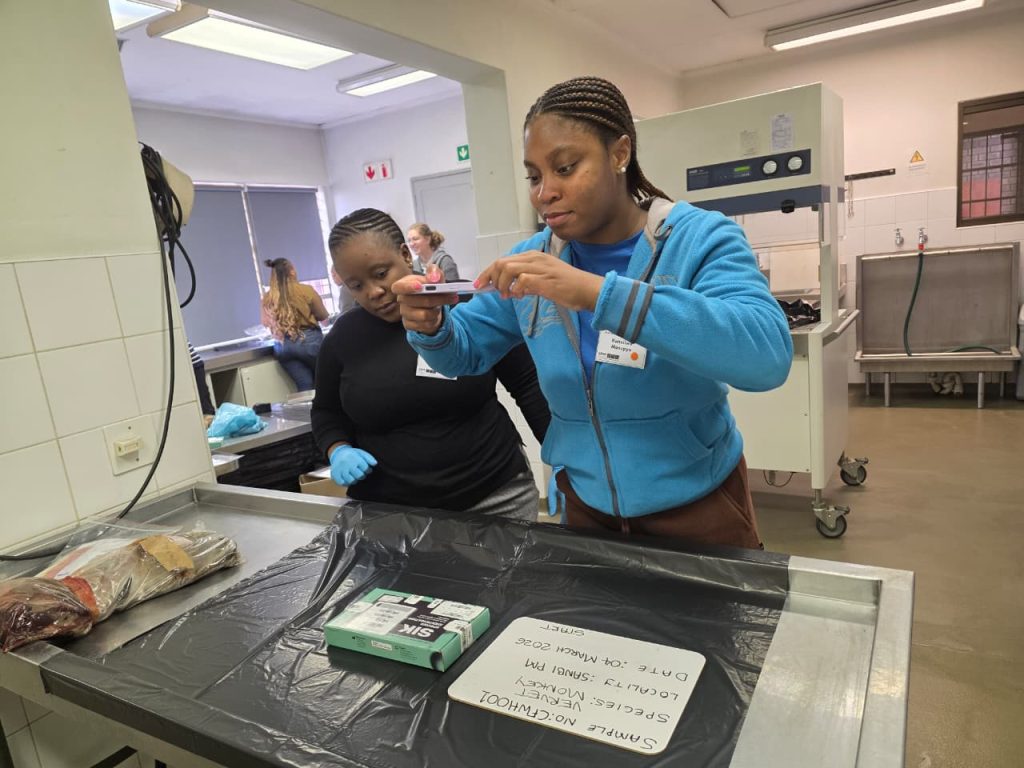
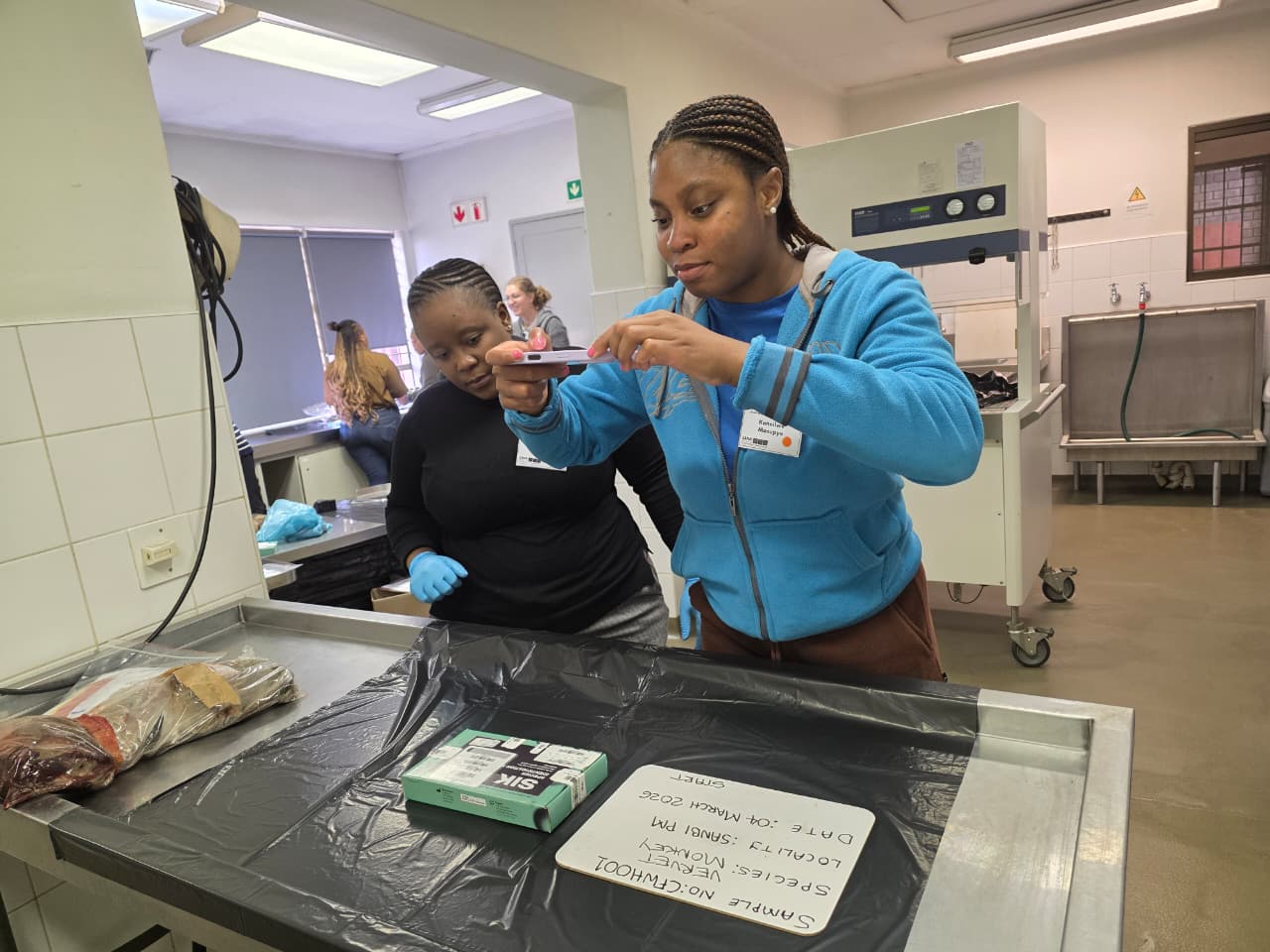
SANBI Wildlife Biobank Senior Technician Keneilwe Mosupye attended Barcode of Wildlife voucher specimen training to learn how to combat the illegal wildlife trade.
The BoWP provides a DNA barcode reference database that has been developed to support the accurate identification of species, strengthening efforts to investigate and prosecute wildlife crime. The Voucher Specimen Sampling (BoWP – Barcode of Wildlife Project) training is a specialised forensic and biodiversity course focused on the correct collection, documentation, and management of biological samples for DNA barcoding and forensic identification.
“The training equipped us with the knowledge and skills required to ensure that samples are both scientifically reliable and legally defensible,” Keneilwe notes. “Importantly, the training emphasised the risks associated with poor sampling practices, such as contamination and potential tampering, which can compromise both scientific results and legal outcomes.”
Key areas covered included chain of custody protocols (ensuring a documented and unbroken trail of evidence handling), proper sampling techniques, detailed documentation (including photographic records and metadata capture), and the application of DNA barcoding.
“Chain of custody ensures that the sample remains authentic because it is documented from the moment it is collected until it is stored (and analysed). This process shows that the sample is not tampered with.”
The training also addressed the legal aspects of wildlife crime investigations, highlighting how properly handled samples can support enforcement and prosecution.
For Keneilwe, it was an interesting experience.
“I have learned that a sample is not just a piece of tissue,” she explains, “but part of a long-term system where proper documentation, storage, and traceability can make it valuable for future research, biodiversity monitoring, and even legal cases.”
So how will this affect her work at the biobank?
“This training has shifted my perspective from simply storing samples to actively curating legally defensible biological evidence,” Keneilwe says. “It has strengthened my understanding of the importance of accurate documentation and careful handling procedures, enabling me to ensure that each specimen maintains its scientific integrity and potential forensic value. As a result, I am better equipped to contribute to the biobank’s role in supporting reliable research and wildlife crime investigations – and help others do the same.”
The wildlife biobank at the South African National Biodiversity Institute (SANBI) has been dedicated to the long-term collection, curation and archiving of biodiversity samples for more than 20 years. Based at the National Zoological Gardens campus in Pretoria, SANBI Biobank is an international institution, with samples from over 40 countries, and projects running across borders and over oceans.
Want to know more about wildlife forensics in South Africa? Here’s a quick overview. Or maybe you’re curious about the SANBI Wildlife Biobank? We’ve got you covered. And hey, why not find out more about how biobanks help preserve our past and improve our future, while you’re at it?
Related Posts



What are biodiversity biobanks?
Biodiversity biobanks are repositories of biologically relevant resources, including reproductive tissues such as seeds, eggs and sperm, other tissues including blood, DNA extracts, microbial cultures (active and dormant), and environmental samples containing biological communities….
