
Meet The Member: Seshnee Reddy – Uncovering Nature’s Hidden Secrets
“Biobanks aren’t just about understanding the past. They’re about using what we learn to impact the future. From identifying new species to understanding the functioning of ecosystems, biodiversity biobanks are helping scientific researchers uncover nature’s most hidden secrets.” Helping to uncover those secrets is what makes Seshnee Reddy so excited about her work at the National Research Foundation’s South African Institute for Aquatic Biodiversity.

Seshnee Reddy is the Biobank Coordinator at NRF-SAIAB, responsible for managing and curating biological samples at South Africa’s largest aquatic biodiversity biobank.
Seshnee is the Biobank Coordinator at NRF-SAIAB, responsible for managing and curating biological samples and their associated data to support research, conservation, and long-term preservation efforts at the NRF-SAIAB National Aquatic Biodiversity Biobank – South Africa’s largest aquatic biodiversity biobank.
Apart from the Biobank, the NRF-SAIAB Collections Facility also hosts a wet collection of whole specimens known as ‘vouchers’. These specimens are stored in 70% ethanol in glass jars, with the collection currently comprising 123 792 lots and over a million specimens. The tissue samples stored in the Biobank are derived from these vouchers, offering researchers the opportunity to study both the genetic makeup and external characteristics of specimens (such as the length, number of scales, fins and gills) for accurate identification. The biobank currently houses over 56 000 tissue samples of aquatic species, including fish, amphibians and invertebrates.
“Many people are surprised by the diversity of materials housed within the biobank,” Seshnee notes. “We store a wide range of aquatic biodiversity samples and genetic resources that can be used in numerous research fields. Many people assume that we only house fish samples, but that’s not the case at all! Our biobank includes everything from fish, sharks and rays, frogs, corals, sponges and a wide variety of aquatic invertebrates. If it’s aquatic, there’s a good chance we have it.”
Work That Matters: Down Among The Samples
Biobanks, unlike libraries or banks, store biological samples such as tissue, DNA, seeds and blood, along with valuable information about the organisms they represent. The biobank serves as more than a storage facility; it is a resource that supports scientific research, collaboration, training, and the long term preservation of biodiversity information.
From identifying new species to understanding the functioning of ecosystems, biodiversity biobanks are helping scientific researchers uncover nature’s most hidden secrets. Researchers can study the DNA from the tissues stored in Biobanks, using the sequences of base pairs to gain insights into individual organisms and their species. This knowledge can help predict potential future changes in the environment and the composition of its species.
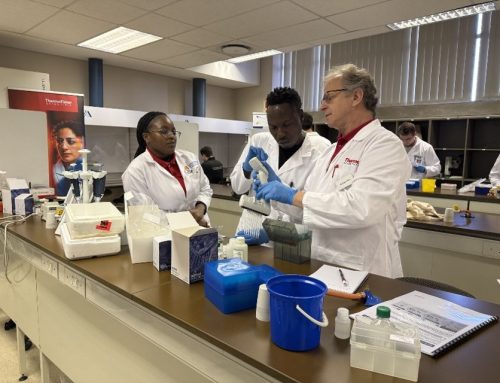
Seshnee’s work includes coordinating tissue/DNA collections, maintaining biobank records, ensuring quality standards are met, and facilitating access to samples and data for researchers. She’s also actively involved in laboratory work, including DNA barcoding and verification projects that support accurate species identification and sample quality.
“I’ve learned that the long term value of a biological sample depends on the quality of its associated data,” she says. “A well-preserved sample with accurate metadata can remain useful for research decades into the future, highlighting the importance of good biobanking practices.”
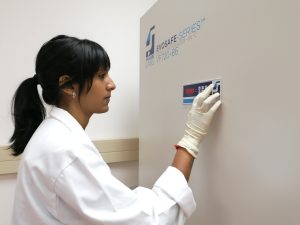
Seshnee’s work at the biobank includes coordinating tissue/DNA collections, maintaining biobank records, ensuring quality standards are met, and facilitating access to samples and data for researchers – and that’s just for starters.
Keeping such vast collections organised is essential, and each sample is stored in uniquely labelled tubes or jars. Information related to the specimen and its linked tissue is stored with software called Specify, allowing researchers to search for and request tissues from specific species they are working on.
Making sense of all that diversity is a bit too big a job for just one institution, though. That’s why Seshnee also strives to extend the reach of the biobank, both locally and internationally.
“It’s important to promote the biobank and its capabilities to researchers and stakeholders, increasing awareness of our resources and services. By strengthening collaborations and outreach efforts, we aim to encourage greater use of the facility and support a wider range of research disciplines and biodiversity focused projects.”
Thinking Long-Term: Biobanking For A Better Future
The NRF-SAIAB Biobank is a core member of the Biodiversity Biobanks South Africa (BBSA), a network of South Africa’s most important biobanks funded by the Department of Science, Technology and Innovation, and managed by the South African National Biodiversity Institute.
“One aspect that makes the BBSA particularly valuable is the wealth of expertise within the network,” Seshnee says. “Many of the people involved have hands-on experience in biodiversity research, collections management, and biobanking. This practical knowledge often goes beyond what can be learned from books or publications, providing insights that come from years of working directly with samples, data, and research challenges. Having access to such experienced professionals for guidance and collaboration is an invaluable resource for both established and emerging researchers.”
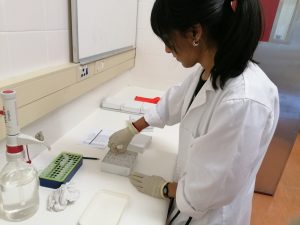
At the NRF-SAIAB Biobank, sharing is caring – which is why they welcome researchers, both local and international, to request the use of tissue samples and vouchers.
The more minds, the merrier, in other words – and the NRF-SAIAB takes that to the extremes: both the NRF-SAIAB Collections Facility and Biobank are open access platforms, welcoming researchers, both local and international, to request the use of tissue samples and vouchers, thereby promoting open science and shared scientific resources.
Data from the facility is also accessible through the Global Biodiversity Information Facility (GBIF), and sample data has also been made available through the Global Genome Biodiversity Network (GGBN).
“Knowing that the samples we preserve today can contribute to important research years or even decades from now – that’s a great feeling,” Seshnee says. “It’s so rewarding to play a part in safeguarding biodiversity resources that can support everything from species discovery, taxonomy, population genetics and conservation planning to answering research questions we haven’t yet imagined. And in a world where biodiversity preservation is of paramount importance, these biobanks are truly nature’s insurance policy for the future.”
Want to know more about the NRF-SAIB Aquatic Diversity Biobank? Just watch this. Or let Seshnee explain it in her own words here. And while you’re at it, why not learn more about what biobanks are (and aren’t) all about?

Related Posts


What are biodiversity biobanks?
Biodiversity biobanks are repositories of biologically relevant resources, including reproductive tissues such as seeds, eggs and sperm, other tissues including blood, DNA extracts, microbial cultures (active and dormant), and environmental samples containing biological communities….
