
Why Biobanks Matter: Protecting Plants & Promoting A Better Life
When it comes to people, plants matter. Most of the calories we eat come, directly or indirectly, from plants. Many of the medicines we use to live longer and happier lives are derived from plants. Even the air we breathe – much of that comes from plants as well. So we’d better do all we can to make sure we protect them. Biodiversity biobanks can help with that…and so much more.
Plant species worldwide are under threat of becoming extinct as a result of habitat loss, invasive alien plants, over-collection and more – and South Africa is no exception. That’s not good news for one of the world’s most biodiverse regions.
South Africa is a known biodiversity hotspot, housing three of the world’s global biodiversity hotspots, recognised on the basis of levels of endemism and also threat, including the Cape Floristic Region, Succulent Karoo, and Maputaland-Pondoland-Albany corridor. We have over 22 000 indigenous plants of all shapes and sizes, many endemic to the country, over 2000 of them used for medicinal purposes, about a third of which are traded commercially.
That’s a lot of plants to protect…but it’s a job worth doing.
South Africa has many plant biobanking institutions that store seeds, tissue cultures and DNA for a variety of purposes, including (among others): the Department of Agriculture’s National Plant Genetic Resources Centre; the SANBI Wild Plant Seedbank and SANBI Indigenous Plant DNA Biobank; and several plant-related biobanks at the Agricultural Research Council. Researchers from these biobanks gather samples from subsistence farmers, from national parks, and from the most remote places all over South Africa.
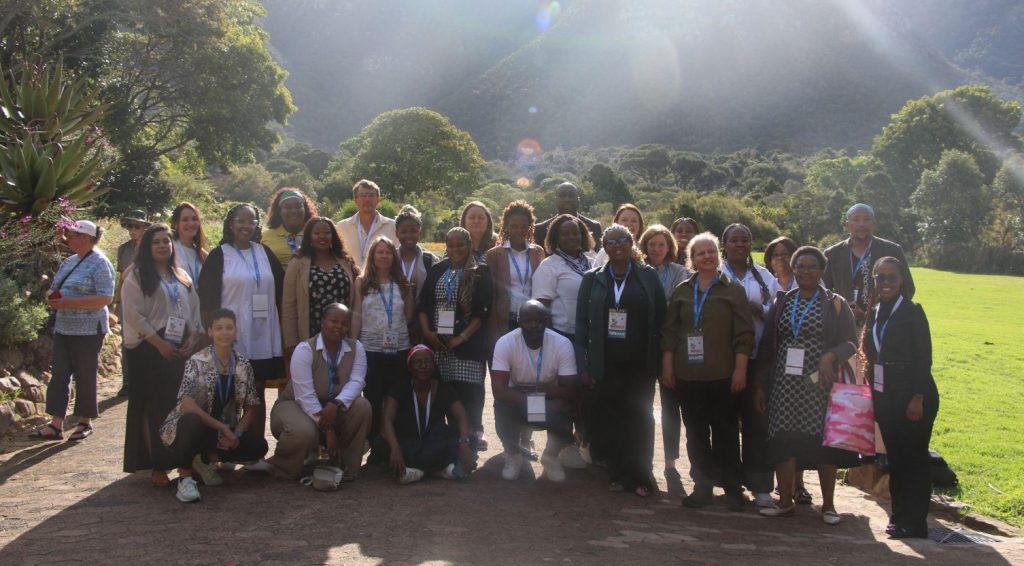
The Biodiversity Biobanks South Africa coordinates activities for some of the country’s most important biobanks.
Banding together with other biodiversity biobanks under the umbrella of the Biodiversity Biobanks South Africa (BBSA), these biobanks are able to more effectively accomplish their mission, preserving genetic diversity, enabling the development of resilient crops, and combating diseases and pests that threaten agriculture and ecosystems.
So how exactly do these biodiversity biobanks help protect, preserve and promote our plants? Well, for starters…
Developing Better Crops & Cultivars
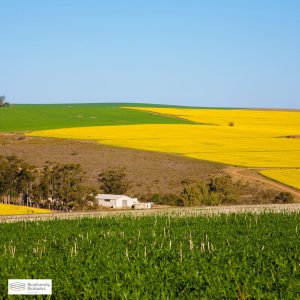 Biobanks at the Agricultural Research Council (ARC) and the Department of Agriculture’s National Plant Genetic Resource Centre (NPGRC) store plant genetic material from several sources to develop new crop cultivars. These efforts have produced crops with higher yields, better drought resistance, and improved resistance to pests like the fall armyworm. By holding a variety of seeds and microorganisms, biobanks support studies that enhance soil fertility and improve agricultural practices, supporting subsistence farmers and larger farming efforts across the country – ensuring healthy crops and food security for a hungry nation..
Disease Management and Biosecurity
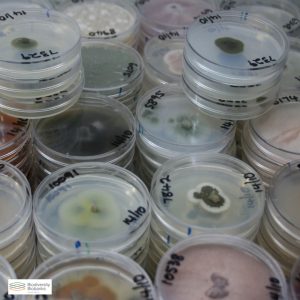 Researchers at the ARC and NPGRC also use stored plant genetic resources to breed crops resistant to diseases and pests, such as the fall armyworm, which helps maintain food security. At the same time, specialised collections, such as the ARC National Collection of Fungi, help researchers researchers study pathogens and combat invasive fungal strains that threaten local plant populations. And by preserving diverse DNA, pollen, and tissue samples, biobanks are also able to keep a record that allows researchers to track poaching and combat illegal wild plant traders – a very serious problem with many endangered species.
Promoting Climate Resilience
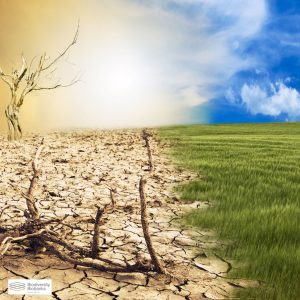 By preserving diverse DNA, pollen, and tissue samples, biobanks like the SANBI Indigenous Plant DNA Biobank facilitate research on how plants adapt to environmental changes. This is critical for predicting which species may face extinction due to climate change. Biobank samples allow scientists to identify genes related to heat, drought, and flooding tolerance. This genetic material is used to develop new, robust crop varieties that are better able to survive a changing climate by many biobank researchers, including those at the ARC-Institute for Soil, Climate and Water, which provides scientific solutions for sustainable land use, climate resilience and food security.
Conservation – Keeping South Africa Wild
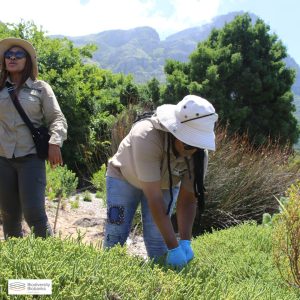
Sometimes it’s just not possible to improve on nature – but it’s still important to protect it. Biodiversity biobanks preserve indigenous and rare plant species, ensuring their survival if they are lost or threatened in the wild. Seed banks and botanical biobanks like the SANBI Wild Plant Seed Bank preserve seeds of threatened species, providing a backup against extinction in the wild, offering materials to restore endangered species. Stored genetic material kept by biobanks like the SANBI Indigenous Plant DNA Biobank is also essential for restoring damaged or degraded habitats, enabling researchers to reintroduce native plant species that are crucial for ecosystem balance.
In short, plant biobanks serve as crucial infrastructure for protecting our food supply and the environment, acting as a “backup” for nature and providing materials for scientific advancements. It’s a big job – but somebody has to do it.
Related Posts




What are biodiversity biobanks?
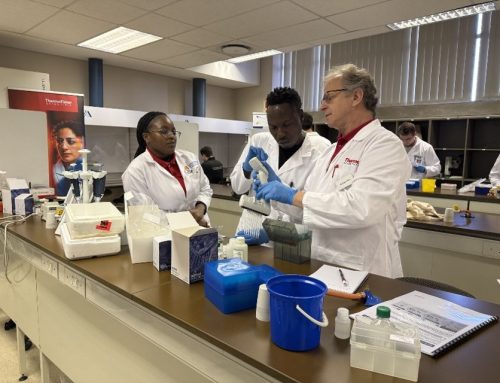
Biodiversity biobanks are repositories of biologically relevant resources, including reproductive tissues such as seeds, eggs and sperm, other tissues including blood, DNA extracts, microbial cultures (active and dormant), and environmental samples containing biological communities….
