
Environmental Reservoir Found: South African Brown Locusts Harbor Drug-Resistant Yeast
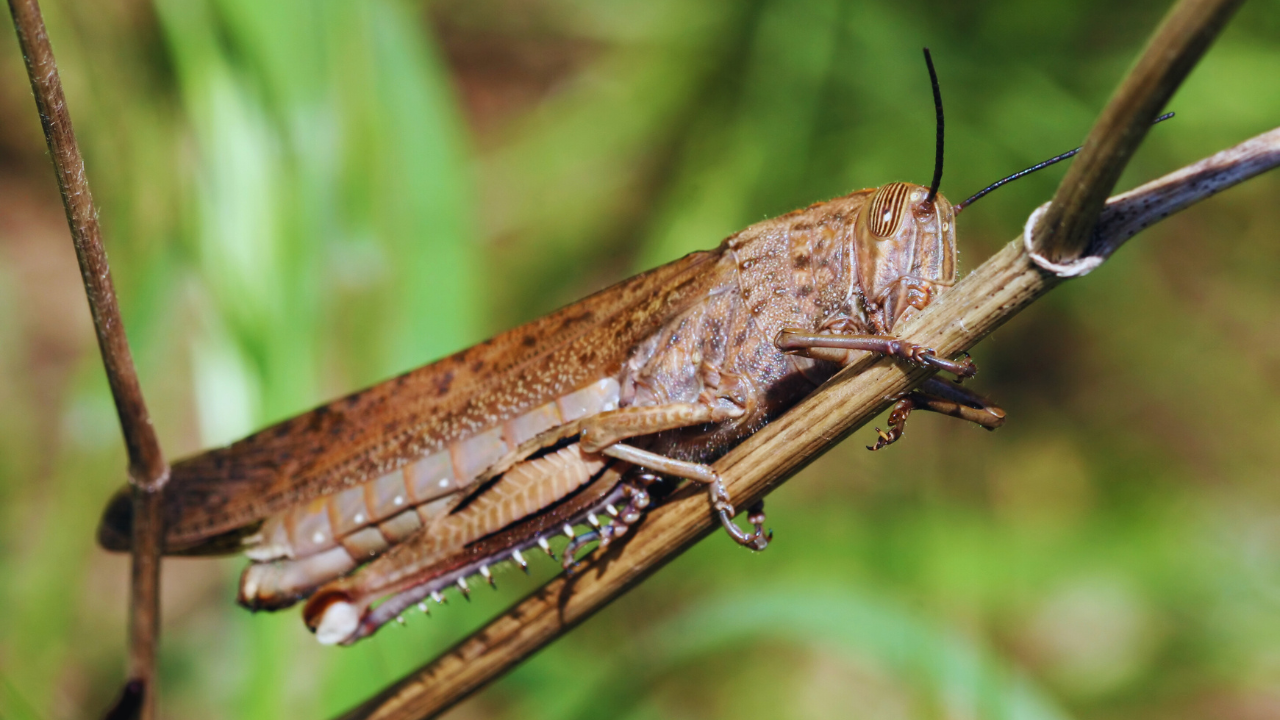
In a groundbreaking study that sheds light on the habitat of the deadly, drug-resistant yeast Candidozyma (Candida) auris, researchers from the University of the Free State Yeast Culture Collection have identified the South African brown locust as a natural reservoir for this problematic pathogen.
By analysing the gut microbiome of these insects, the team discovered three strains of C. auris, with one showing significant resistance to fluconazole, a common antifungal drug. Genome sequencing revealed that the strain found in the locust is closely related to Clade III, the same subtype frequently seen in South African hospital infections. This discovery highlights a previously overlooked pathway in the evolution and spread of this emerging threat.
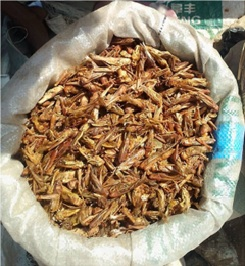
A bag of locusts for sale as food in a market in Nigeria.
The locust-derived C. auris demonstrated impressive resilience, growing at 50°C and in high-salinity conditions (15% NaCl). These traits enable the yeast to survive in the harsh conditions of both the insect gut and the human body. This research strongly suggests that thermotolerant insects, especially the brown locust, play a crucial role in harbouring and spreading this dangerous, often pan-resistant yeast.
The findings add to the growing evidence that C. auris is not only a hospital-acquired pathogen but has also established dangerous environmental niches. Consequently, the study emphasises the urgent need for increased monitoring of ecological and insect sources to prevent further spread of this emerging threat.
Link to read the full article on the PubMed website: https://pubmed.ncbi.nlm.nih.gov/40705343/
Housing a collection of over 3000 yeast isolates from various habitats in South Africa and worldwide – the largest collection of its kind in the Southern Hemisphere – the UFS YCC is a national and international resource for researchers and industries interested in yeast diversity, and a core member of the Biodiversity Biobanks South Africa (BBSA) network.
You can find out more about the UFS Yeast Culture Collection here – or why not take a video tour of the biobank instead? And while you’re at it, why not learn more about the many institutions that make up the BBSA?
Related Posts



What are biodiversity biobanks?
Biodiversity biobanks are repositories of biologically relevant resources, including reproductive tissues such as seeds, eggs and sperm, other tissues including blood, DNA extracts, microbial cultures (active and dormant), and environmental samples containing biological communities….
